
 ES
ES 

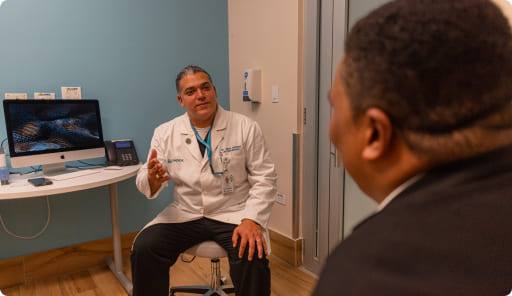

Hemodynamics
SCHEDULE AN APPOINTMENT
Hemodynamics Services
This is an interventional cardiology procedure performed in the hemodynamics laboratory under fluoroscopic guidance. It is indicated for patients with obstructive coronary artery disease who require percutaneous revascularization. Approximate duration: 1–2 hours. Supplies, materials, medications, and use of the procedure room are billed separately.
General Preparations
• Fast for at least 6 hours for solid foods and 2 hours for clear liquids.
• If you take chronic medications (antihypertensives, statins, etc.), consult your physician to determine whether you should take them with a sip of water on the morning of the procedure.
• Discontinue aspirin, clopidogrel, or other antiplatelet medications only if specifically instructed by your cardiologist.
BODY PREPARATION
• Shower the night before and/or the morning of the procedure, paying special attention to vascular access areas.
• Shaving of access areas (may also be performed at CEMDOE): groin area (pubic region, inner thighs, and external genital area) and the front part of both wrists (radial access).
• Do not apply creams, lotions, or nail polish on the day of the procedure. Remove any nail polish beforehand, as it may interfere with pulse oximeter readings.
WHAT TO BRING
• Comfortable, loose-fitting clothing. A disposable gown, cap, and shoe covers will be provided upon admission.
• A complete list of current medications, including dosage and frequency (or bring the medication containers).
• Leave at home or give to your companion: jewelry, rings, removable dentures, contact lenses, and valuables.
MEDICATIONS AND ALLERGIES
• Inform staff of any allergies to: iodinated contrast dye or shellfish, aspirin, clopidogrel, anti-inflammatory medications, latex, or any other medications.
• Your physician may have prescribed pre-procedure medication (Aspirin, Clopidogrel, antihistamine/Benadryl, Omeprazole). Take these as prescribed.
• If you have diabetes, consult your physician regarding insulin or oral hypoglycemic management on the day of the procedure.
PRE-PROCEDURE TESTS
• Laboratory tests: complete blood count (CBC), coagulation studies (PT, PTT, INR), serum creatinine, glucose, renal function tests, and electrolytes.
• Prior ECG. Bring results if already completed.
• Pre-anesthesia evaluation.
• Signed informed consent form.
ON THE DAY OF THE PROCEDURE
• Nursing staff will verify your identity, consent form, and allergies.
• An intravenous line will be placed in the left upper extremity (20-gauge catheter) with 0.9% saline solution.
• Antiseptic shaving of access areas will be performed if not completed at home.
• Administration of prescribed pre-procedure medications.
COMPANION AND TRANSPORTATION
• You must be accompanied. You will not be allowed to drive or return home alone.
• Estimated total stay (procedure + recovery): 3 to 6 hours.
This is an interventional cardiology procedure performed in the hemodynamics laboratory under fluoroscopic guidance. It is indicated for patients with obstructive coronary artery disease who require percutaneous revascularization. Approximate duration: 1–2 hours. Supplies, materials, medications, and use of the procedure room are billed separately.
General Preparations
FASTING
• Fast for at least 6 hours for solid foods and 2 hours for clear liquids.
• If you take chronic medications (antihypertensives, statins, etc.), consult your physician to determine whether you should take them with a sip of water on the morning of the procedure.
• Dual antiplatelet therapy (aspirin + clopidogrel/ticagrelor) according to cardiology protocol.
BODY PREPARATION
• Shower the night before and/or the morning of the procedure, paying special attention to vascular access areas.
• Shaving of access areas (may also be performed at CEMDOE): groin area (pubic region, inner thighs, and external genital area) and the front part of both wrists (radial access).
• Do not apply creams, lotions, or nail polish on the day of the procedure. Remove any nail polish beforehand, as it may interfere with pulse oximeter readings.
WHAT TO BRING
• Comfortable, loose-fitting clothing. A disposable gown, cap, and shoe covers will be provided upon admission.
• A complete list of current medications, including dosage and frequency (or bring the medication containers).
• Leave at home or give to your companion: jewelry, rings, removable dentures, contact lenses, and valuables.
MEDICATIONS AND ALLERGIES
• Inform staff of any allergies to: iodinated contrast dye or shellfish, aspirin, clopidogrel, anti-inflammatory medications, latex, or any other medications.
• Your physician may have prescribed pre-procedure medication (Aspirin, Clopidogrel, antihistamine/Benadryl, Omeprazole). Take these as prescribed.
• If you have diabetes, consult your physician regarding insulin or oral hypoglycemic management on the day of the procedure.
PRE-PROCEDURE TESTS
• Prior coronary angiography documenting the lesion to be treated.
• Laboratory tests: complete blood count (CBC), coagulation studies (PT, PTT, INR), serum creatinine, glucose, renal function tests, and electrolytes.
• Prior ECG. Bring results if already completed.
• Pre-anesthesia evaluation.
• Signed informed consent form.
ON THE DAY OF THE PROCEDURE
• Nursing staff will verify your identity, consent form, and allergies.
• An intravenous line will be placed in the left upper extremity (20-gauge catheter) with 0.9% saline solution.
• Antiseptic shaving of access areas will be performed if not completed at home.
• Administration of prescribed pre-procedure medications (antiplatelet agent, antihistamine, gastric protector).
COMPANION AND TRANSPORTATION
• You must be accompanied. You will not be allowed to drive or return home alone.
• Estimated total stay (procedure + recovery): 3 to 6 hours.
This is an interventional cardiology procedure performed in the hemodynamics laboratory under fluoroscopic guidance. It is indicated for patients with obstructive coronary artery disease who require percutaneous revascularization. Approximate duration: 1.5–2.5 hours. Supplies, materials, medications, and use of the procedure room are billed separately.
General Preparations
FASTING
• Fast for at least 6 hours for solid foods and 2 hours for clear liquids.
• If you take chronic medications (antihypertensives, statins, etc.), consult your physician to determine whether you should take them with a sip of water on the morning of the procedure.
• Dual antiplatelet therapy (aspirin + clopidogrel/ticagrelor) according to cardiology protocol.
BODY PREPARATION
• Shower the night before and/or the morning of the procedure, paying special attention to vascular access areas.
• Shaving of access areas (may also be performed at CEMDOE): groin area (pubic region, inner thighs, and external genital area) and the front part of both wrists (radial access).
• Do not apply creams, lotions, or nail polish on the day of the procedure. Remove any nail polish beforehand, as it may interfere with pulse oximeter readings.
WHAT TO BRING
• Comfortable, loose-fitting clothing. A disposable gown, cap, and shoe covers will be provided upon admission.
• A complete list of current medications, including dosage and frequency (or bring the medication containers).
• Leave at home or give to your companion: jewelry, rings, removable dentures, contact lenses, and valuables.
MEDICATIONS AND ALLERGIES
• Inform staff of any allergies to: iodinated contrast dye or shellfish, aspirin, clopidogrel, anti-inflammatory medications, latex, or any other medications.
• Your physician may have prescribed pre-procedure medication (Aspirin, Clopidogrel, antihistamine/Benadryl, Omeprazole). Take these as prescribed.
• If you have diabetes, consult your physician regarding insulin or oral hypoglycemic management on the day of the procedure.
PRE-PROCEDURE TESTS
• Prior coronary angiography documenting the lesion to be treated.
• Laboratory tests: complete blood count (CBC), coagulation studies (PT, PTT, INR), serum creatinine, glucose, renal function tests, and electrolytes.
• Prior ECG. Bring results if already completed.
• Pre-anesthesia evaluation.
• Signed informed consent form.
ON THE DAY OF THE PROCEDURE
• Nursing staff will verify your identity, consent form, and allergies.
• An intravenous line will be placed in the left upper extremity (20-gauge catheter) with 0.9% saline solution.
• Antiseptic shaving of access areas will be performed if not completed at home.
• Administration of prescribed pre-procedure medications (antiplatelet agent, antihistamine, gastric protector).
COMPANION AND TRANSPORTATION
• You must be accompanied. You will not be allowed to drive or return home alone.
• Estimated total stay (procedure + recovery): 3 to 6 hours.
This is an interventional cardiology procedure performed in the hemodynamics laboratory under fluoroscopic guidance. It is indicated for patients with obstructive coronary artery disease who require percutaneous revascularization. Approximate duration: 2–3 hours. Supplies, materials, medications, and use of the procedure room are billed separately.
General Preparations
FASTING
• Fast for at least 6 hours for solid foods and 2 hours for clear liquids.
• If you take chronic medications (antihypertensives, statins, etc.), consult your physician to determine whether you should take them with a sip of water on the morning of the procedure.
• Dual antiplatelet therapy (aspirin + clopidogrel/ticagrelor) according to cardiology protocol.
BODY PREPARATION
• Shower the night before and/or the morning of the procedure, paying special attention to vascular access areas.
• Shaving of access areas (may also be performed at CEMDOE): groin area (pubic region, inner thighs, and external genital area) and the front part of both wrists (radial access).
• Do not apply creams, lotions, or nail polish on the day of the procedure. Remove any nail polish beforehand, as it may interfere with pulse oximeter readings.
WHAT TO BRING
• Comfortable, loose-fitting clothing. A disposable gown, cap, and shoe covers will be provided upon admission.
• A complete list of current medications, including dosage and frequency (or bring the medication containers).
• Leave at home or give to your companion: jewelry, rings, removable dentures, contact lenses, and valuables.
MEDICATIONS AND ALLERGIES
• Inform staff of any allergies to: iodinated contrast dye or shellfish, aspirin, clopidogrel, anti-inflammatory medications, latex, or any other medications.
• Your physician may have prescribed pre-procedure medication (Aspirin, Clopidogrel, antihistamine/Benadryl, Omeprazole). Take these as prescribed.
• If you have diabetes, consult your physician regarding insulin or oral hypoglycemic management on the day of the procedure.
PRE-PROCEDURE TESTS
• Prior coronary angiography documenting the lesion to be treated.
• Laboratory tests: complete blood count (CBC), coagulation studies (PT, PTT, INR), serum creatinine, glucose, renal function tests, and electrolytes.
• Prior ECG. Bring results if already completed.
• Pre-anesthesia evaluation.
• Signed informed consent form.
ON THE DAY OF THE PROCEDURE
• Nursing staff will verify your identity, consent form, and allergies.
• An intravenous line will be placed in the left upper extremity (20-gauge catheter) with 0.9% saline solution.
• Antiseptic shaving of access areas will be performed if not completed at home.
• Administration of prescribed pre-procedure medications (antiplatelet agent, antihistamine, gastric protector).
COMPANION AND TRANSPORTATION
• You must be accompanied. You will not be allowed to drive or return home alone.
• Estimated total stay (procedure + recovery): 3 to 6 hours.
Available Hours
-
Monday to Friday
-
Address
Av. Luperón esq. Clara María Pardo, San Gerónimo, Santo Domingo, República Dominicana